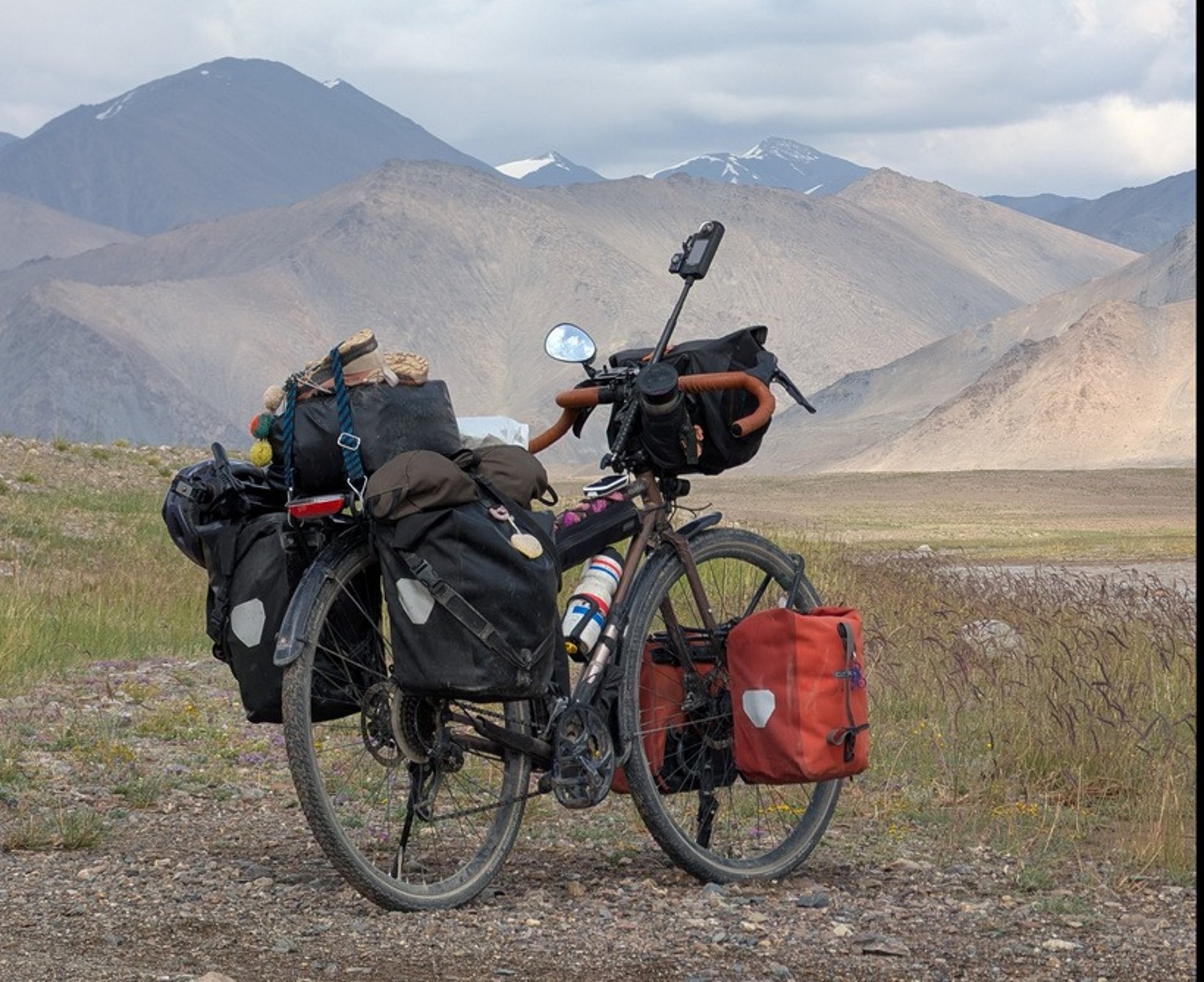
Bikepacking Gear & Preparation
Start planning your bike adventure with a guide that brings together all the essentials on gear and preparation.
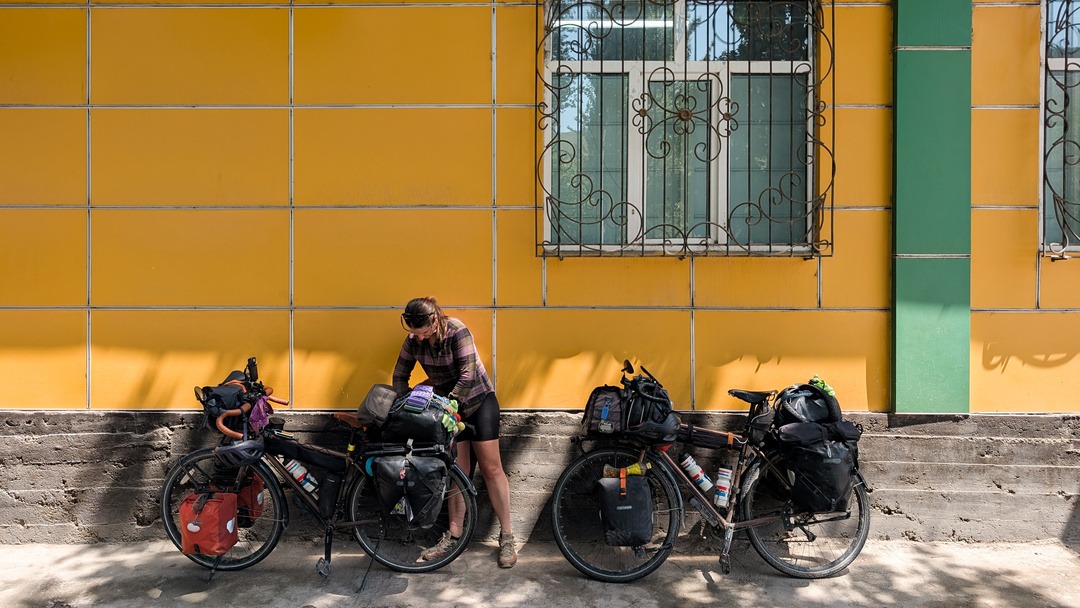

It depends on how long we’re traveling and whether the spare parts we’ll need can be found along the route or if we need to carry them with us.
Essentials:
Multi-tool with Allen keys, Phillips, flathead, and Torx
Puncture repair kit: patches, glue, and sandpaper
Chain breaker
Hard toothbrush for cleaning the chain
Lubricant (chain oil)
Pump (5% discount on Cyclplus pump here)
Duct tape
Zip ties
Basic spare parts:
Spare inner tube
Brake pads or shoes
A few spokes
Spare bolts
When preparing for a bike adventure, there’s always an endless list of things we think we need—or at least think we need. In this short guide, we’ve put together a broad overview of the essentials.
Bike and bags
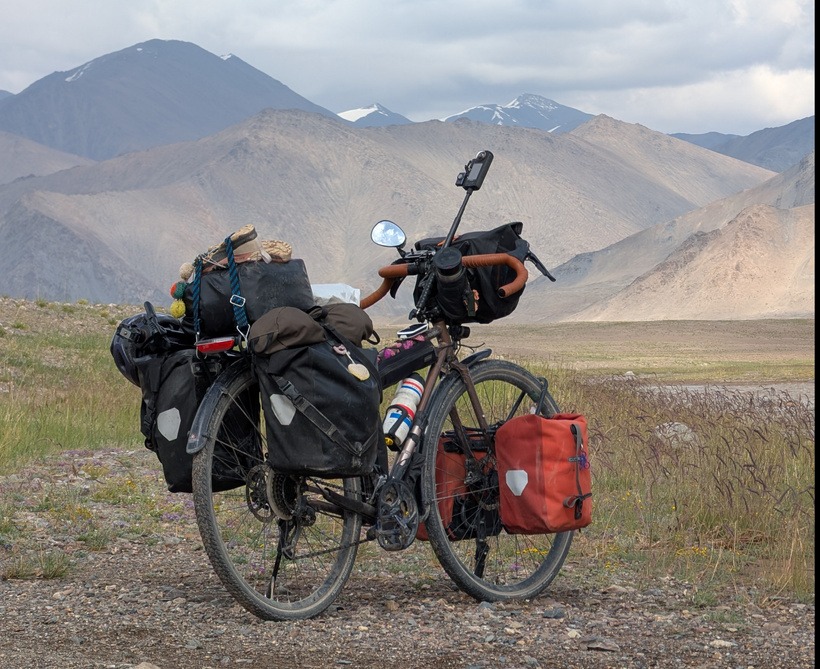

Classic setup

Most likely, we’ll be riding with some load—whether light or heavy—which will make climbs a bit harder when pedaling. To make uphill sections as comfortable as possible, we need to pay attention to the size of our front chainrings and rear sprockets.
In general, we’ll usually look for smaller front chainrings and larger rear cogs.
Frame
The best bicycle for cycle touring is the one you already have, and far from being romantic, that is the truth. It’s not worth waiting a lifetime to be able to buy the “perfect” bike: first of all because it doesn’t exist, and secondly because we would be missing the point of bike travel itself: getting out there.
Having said that, there are things we can modify on the bicycle we already own—or look for in a new one—to make our ride as comfortable as possible, since we plan to spend many hours in the saddle.
This article is an introduction, a general overview of all aspects of preparing a bicycle trip. We will be creating more specific articles on each topic in the future.
Tires
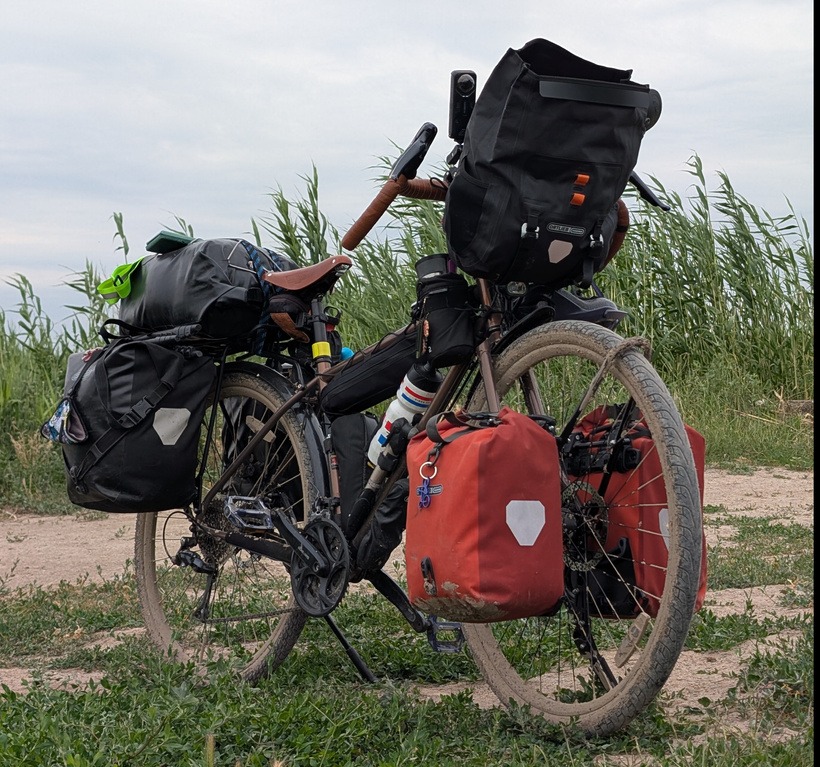

Fuji Touring Disc bicycle with Vittoria 700x42 tires.
In general, the frame should be one that allows a comfortable riding position for many hours. Also, let’s remember that cycle touring is about enjoying the journey, not keeping your eyes glued to the road ahead. For this reason, frames that allow a more upright position are usually the most popular.
If the riding position on the bike you already have isn’t very comfortable, there are small adjustments you can make to change it, such as changing the stem, handlebars, saddle, etc.
Gear ratio
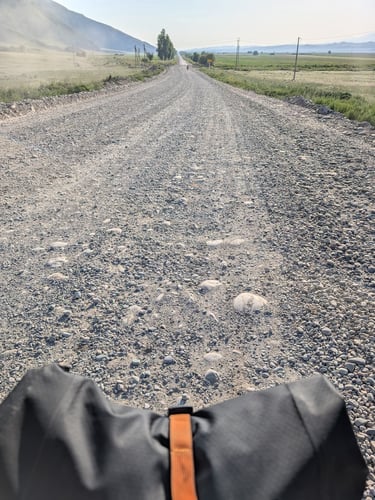
Where am I going to go? What will the terrain be like? Is it all paved road, or will there also be gravel sections and trails? These questions will help you find the tire that best suits your adventure—and again, nothing is perfect. You might choose to sacrifice good grip on gravel because you prefer to roll smoothly on asphalt, or the other way around. Whatever you choose will be fine—just a bit more or less comfortable in certain scenarios, but not something that will ruin your trip.
The only tires that are definitely not suitable for cycle touring are very narrow road tires.
Saddle
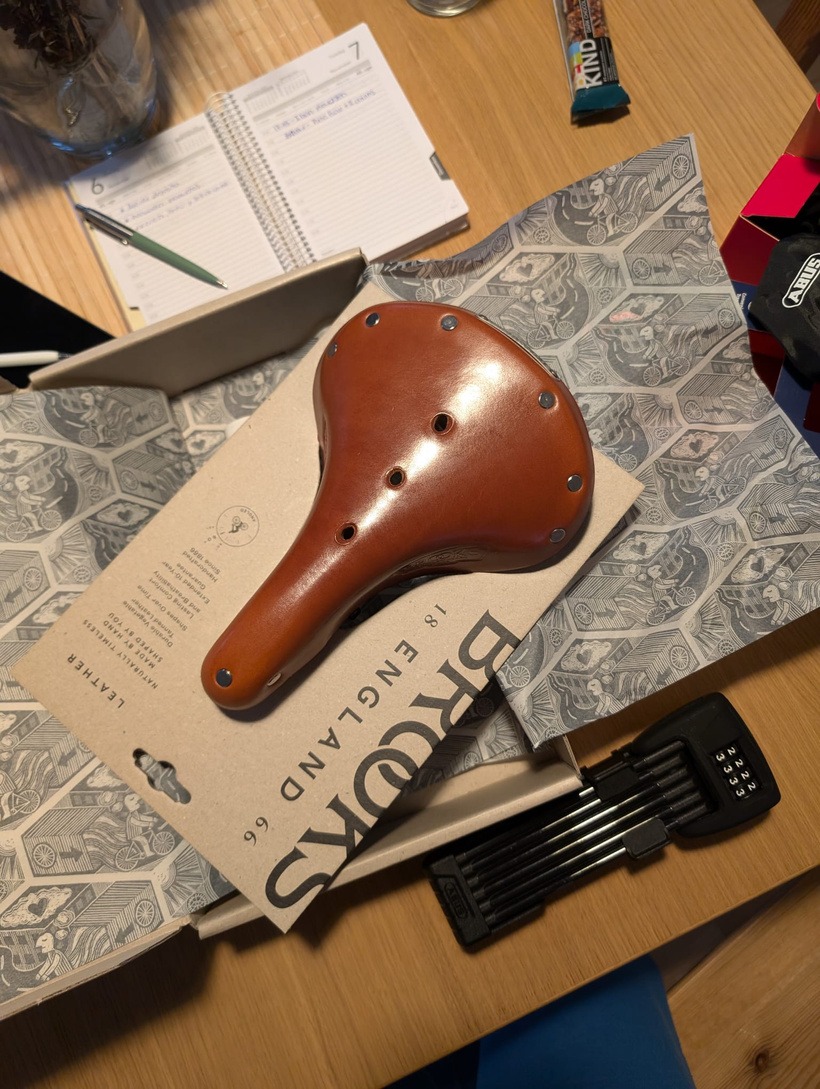

After more than 6 hours sitting on the saddle, it’s hard not to feel discomfort or soreness, but it is true that there are small things we can do to ease that discomfort or pain. The simplest option is a gel cover, which is inexpensive and very effective. Other more expensive options include ergonomic saddles or the classic Brooks leather saddles. Here, it really comes down to personal preference: I would start by trying the easiest options first, and if they don’t work, gradually move on to more complex ones.
Brooks B17 Lady
Handlebar
In this area there are a thousand options, and which one is best for you is something only you can know. The most important thing is that it provides good support, whether through gel grips or gel tape, and that, if possible, it offers more than one hand position. In other words, if we have a flat bar, we can add bar ends to create an additional grip position and allow our hands to rest by switching positions.
Some important extras can include a rearview mirror, a kickstand, a phone mount, and stem bags.
Paneers and bags

When it’s cold: dress in layers:
Base layer: wicks sweat away and keeps the skin dry (polyester, merino wool)
Mid layer: retains heat (fleece, wool)
Outer layer: protects from wind and rain while remaining breathable (technical jacket)
Avoid cotton
Other items: waterproof shoes, gloves, socks, a buff, underwear, a reflective vest, one set of clothes for riding and another for resting.
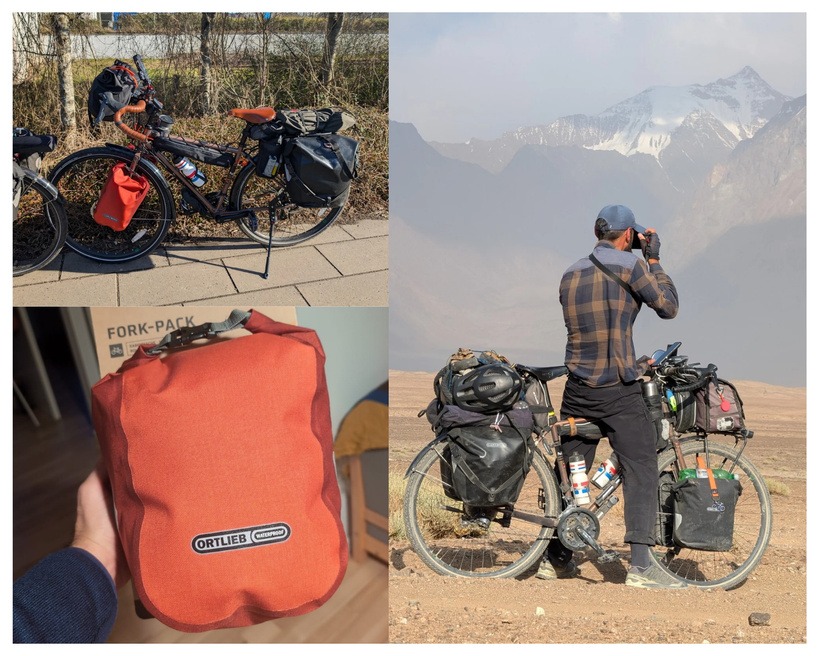
1. Alforjas traseras, fork-pack delantero, bolso de manillar y bolso de cuadro. 2. Fork-pack Ortlieb 3. Setup clasico
Camping gear

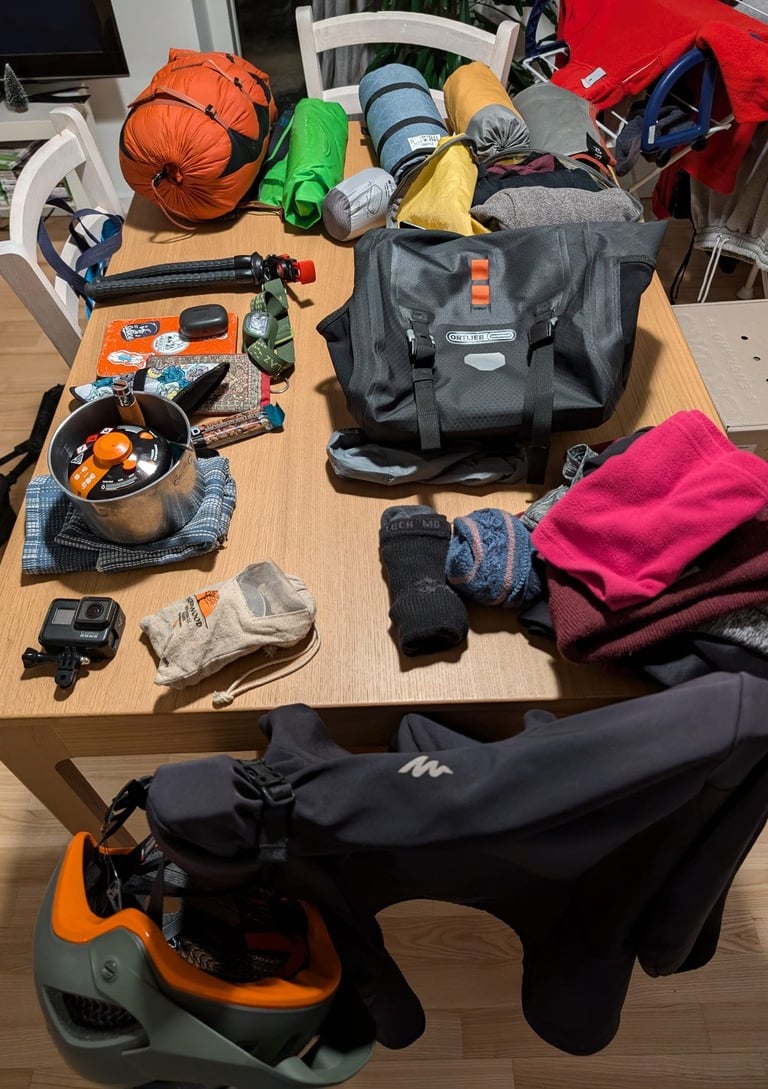
Now that we already have the bicycle, we need to think about how we’re going to carry our luggage in the most comfortable way. And, as we’ve already gotten used to seeing throughout this text, this depends on:
How much we’re carrying.
The route we’re taking.
How we prefer to travel.
How much accessibility we want.
How easy it is to get the bags.
To summarize a bit, today there are three main types: panniers attached to racks, bikepacking-style bags, or a combination of both.
The bikepacking setup is designed for trips where you need to carry less gear, or if you can access ultralight equipment, which is usually significantly more expensive.
The pannier setup is more common for long expeditions, where the focus is on comfort at the expense of weight and ruggedness.
We will soon publish an article specifically dedicated to the different types of bags and panniers available on the market—or even ones we can make ourselves.
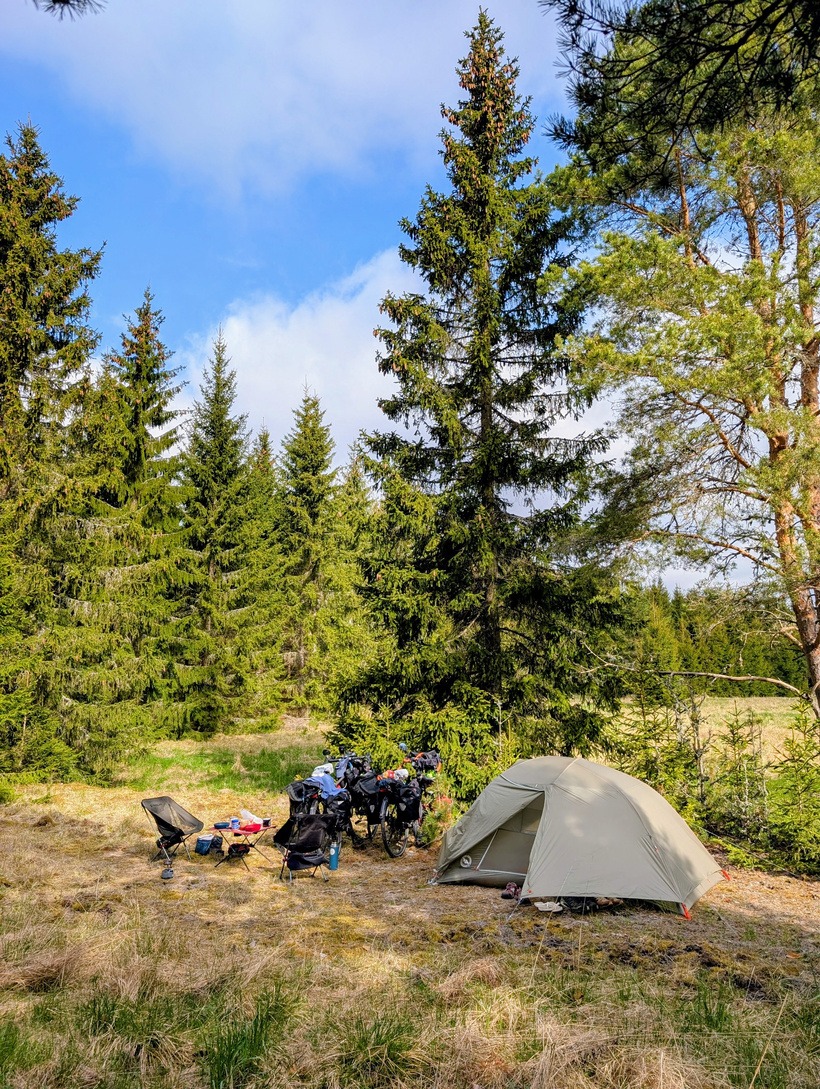
Big Agnes Copper Spur UL3
Sleeping
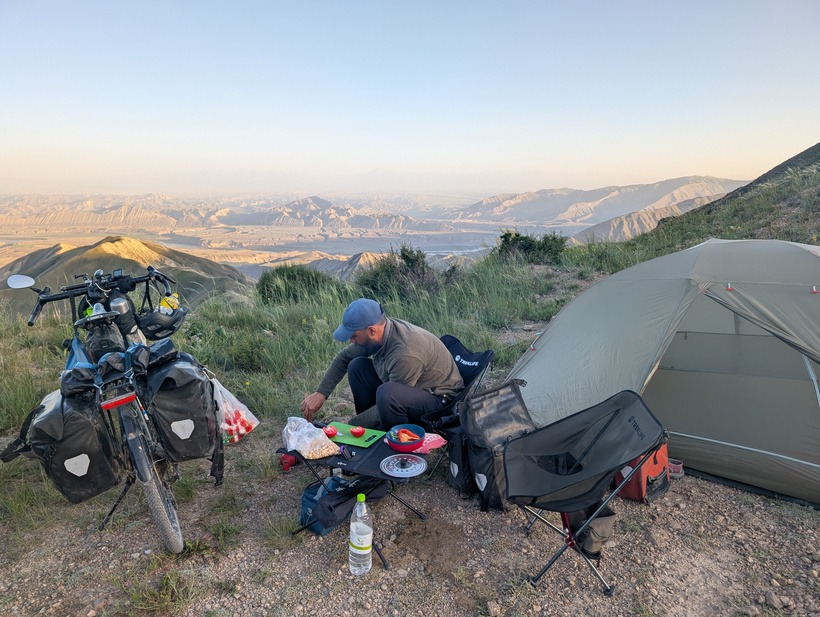
For example, something that would increase our comfort but also add weight is bringing a chair. At that point, we might ask ourselves: in a 7-day adventure, is it really necessary, or would it be better to just bring a small mat to sit on the ground? Again, whatever you prefer will be best for you. We carry an ultralight chair and a table. Too much? Maybe—but we travel by bike for long periods, sometimes a year, and we camp a lot during that time. So for us, it’s weight that is more than justified.
Ultralight chair in Amazon
To address camping, there are several things we need to take into account: the weather, the duration of the trip, and our food plan.
Depending on the weather, we will choose items such as a sleeping bag and the level of insulation of our sleeping pad. Based on how long the trip will last, we can decide whether to sacrifice some comfort when stopping to camp, sleep, and cook. And depending on how we plan to eat during this adventure, we will choose how complex our cooking system should be.


Deuter Astra 500
Cooking
We can use a tent or a tarp shelter. Again, it’s a balance between comfort and lightness.
If you’re traveling through mosquito-prone areas, it’s recommended to bring a tent with a mosquito net.
If there’s a chance of rain, try to get a tent with good waterproofing or bring a tarp to help it withstand the water.
The better the equipment, the more comfort it will provide—but it will also be more expensive, so it’s worth finding the point where it makes sense for each person to invest in this kind of gear.
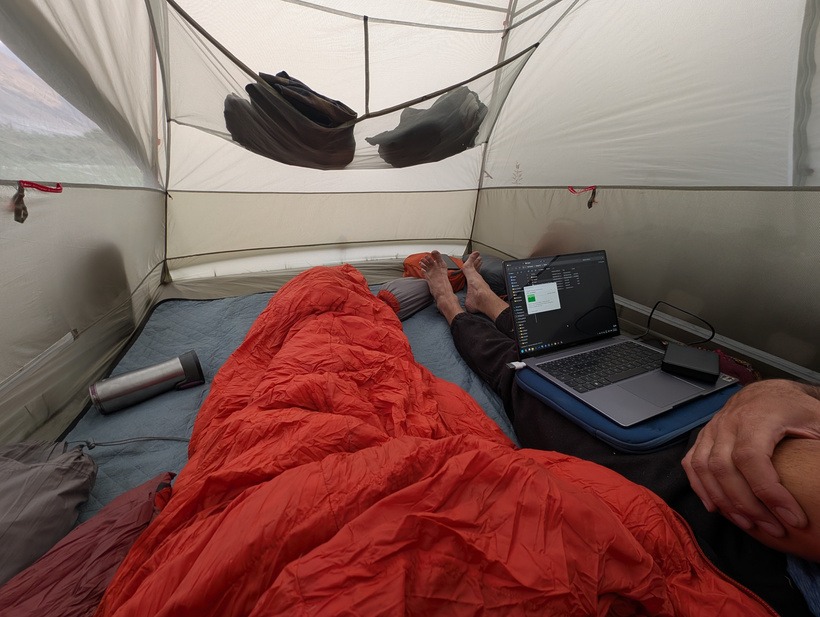
Sleeping pad: whether for cold, humidity, or comfort, it’s essential to have something between your body and the ground of the tent. Options include roll-up foam mats, egg-crate-style pads, self-inflating pads, and inflatable pads. Some good and affordable options are offered by Decathlon in their Foreclaz line. If you’re planning to ride through colder areas, you should look a bit more into insulation levels and R-values.
Sleeping bag: in general, there are two types—synthetic and down, with the latter being much more expensive but lighter and warmer than the former. Each sleeping bag specifies comfort and limit temperatures; these vary between men and women and are usually clearly indicated. The best approach is to think about the climates we’ll encounter in order to choose the sleeping bag that suits us best. If we’re planning a long trip through a variety of climates but without extreme cold, a sleeping bag rated around -5°C comfort would work well, combined with a sleeping liner for warmer nights.
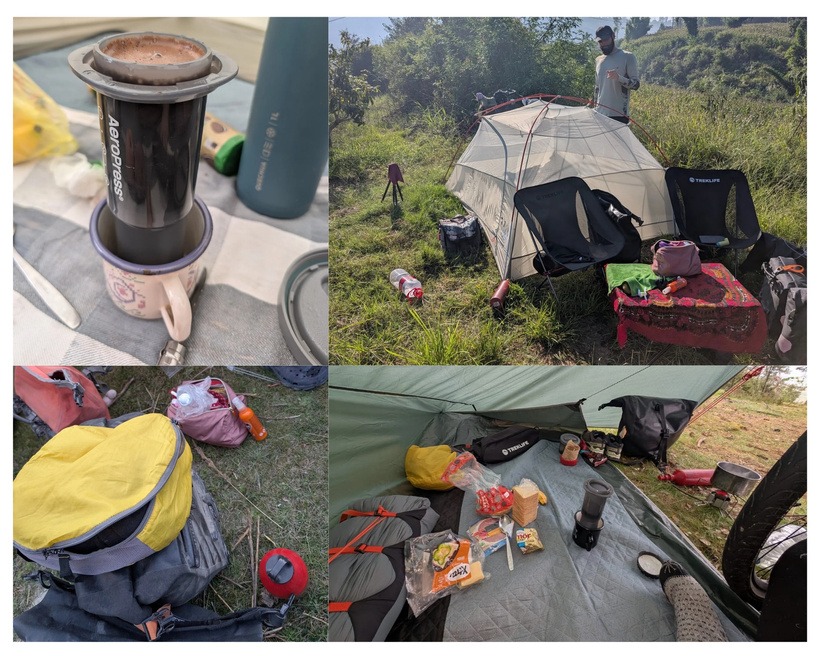

1. Coffee Aeropress 2. Organizer Decathlon 3. Tent and chair 3. Tarp shelter
Clothing
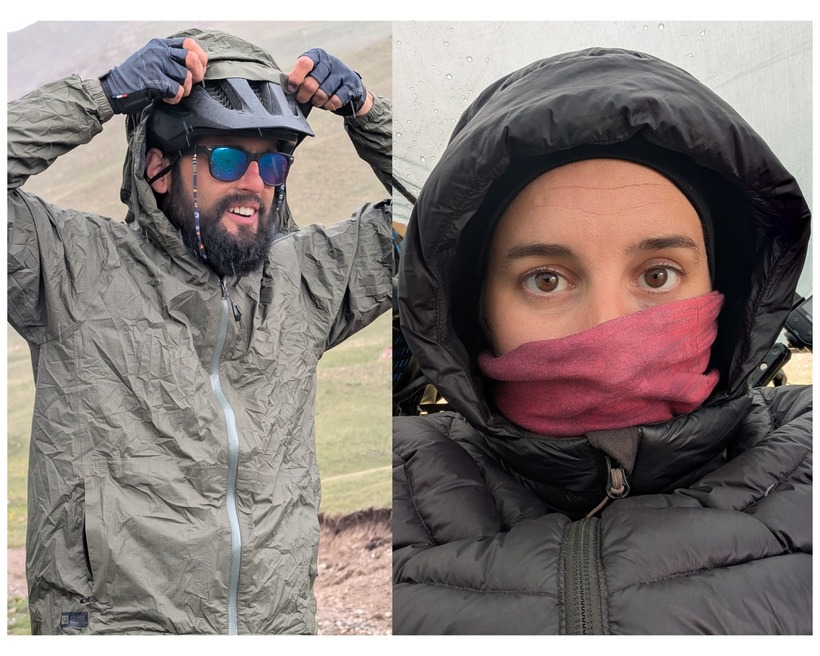

1. Waterproof jacket 2. Dawn jacket
What are you planning to eat during your trip at night? Are you the camp chef, or more of the “cracker with cheese and off to sleep” type? Or maybe you’ll buy ready-made food? Depending on these factors, you can choose simpler or more complex stoves. There are many options on the market, and just as many you can make at home. The commercial ones run on gas, alcohol, or multi-fuel systems. Homemade options also use alcohol or the old and beloved fire. Whether you enjoy cooking or not, you’ll need something to heat water—for mate, coffee, or at least to boil an egg.
Outside, MSR Dragonfly — multi-fuel stove
Some other things you’ll need or may want to bring to make your camping experience more comfortable:
Headlamp
Pot and utensils
Pillow
Water bag for showering
Comfort shoes and clothes
What should I wear? Cycle travelers usually aren’t pro cyclists wearing bib shorts and jerseys, although some people do enjoy that look. We tend to wear regular clothes and technical gear more oriented toward hiking: breathable T-shirts, comfortable shorts and pants, a fleece layer, a windbreaker, a waterproof jacket, and a set of presentable clothes for visiting towns.
In hot weather: lightweight and breathable clothing, merino wool T-shirts, a sun-protective hat, and breathable shorts.
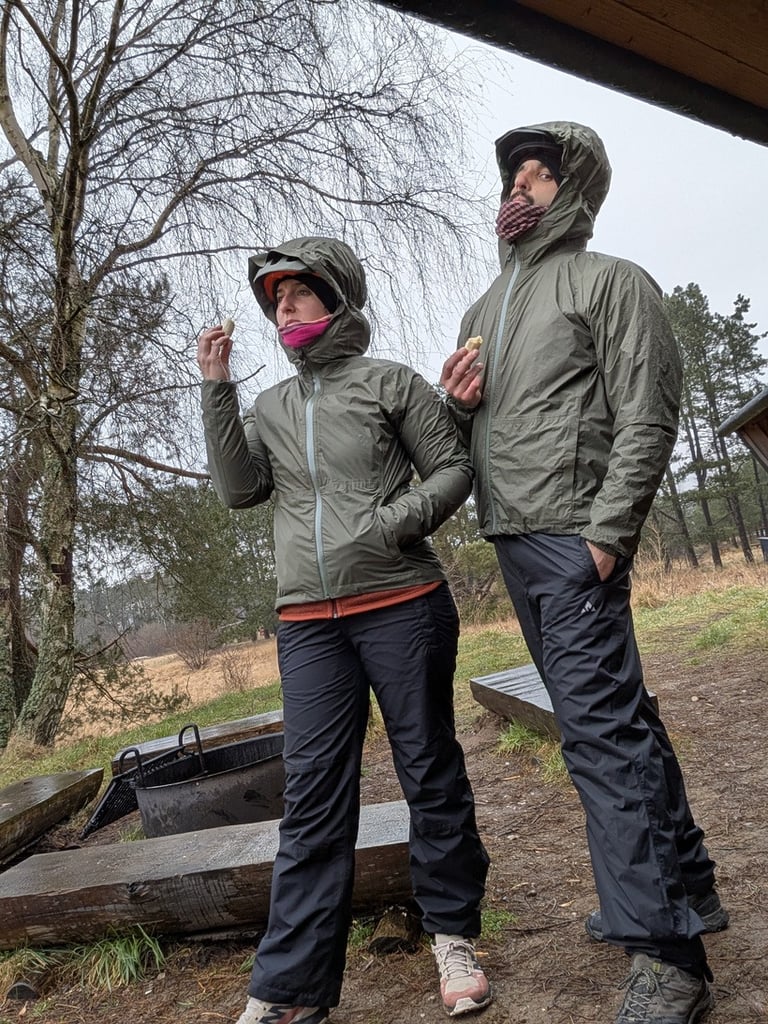

Waterproof gear
First aid kit
Small kit for basic issues, keeping in mind that we are not medical professionals. Everything below should be packed in a small pouch that is easy to access and ideally a bright color so it’s easy to find:
Gauze pads
Small soap or disinfectant wipes
Antiseptic
Latex gloves
Emergency thermal blanket
Pain relievers
Small scissors
Adhesive bandages (plasters)
Tick remover tool if you’re in a risk area
Toolkit
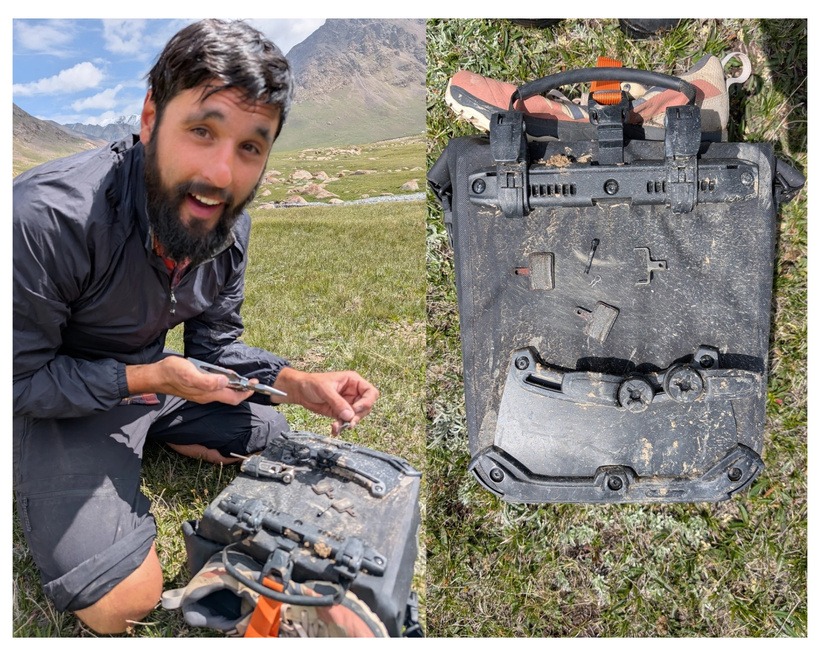

To sum up
As should be clear by now, everything mentioned above depends on your trip and your priorities. There are no right or wrong choices; not everyone enjoys the same things. On our long-distance journey, we prioritize comfort and the enjoyment of camping, even if it slows us down a bit. On a short trip, we would prioritize other things and carry much less gear. Choose your trip, adjust it, and enjoy it. At the end of the day, cycle touring isn’t about cool bikes or expensive equipment, but about enjoying yourself, feeling the wind on your face, camping under the stars, and greeting people each day with curiosity and excitement.
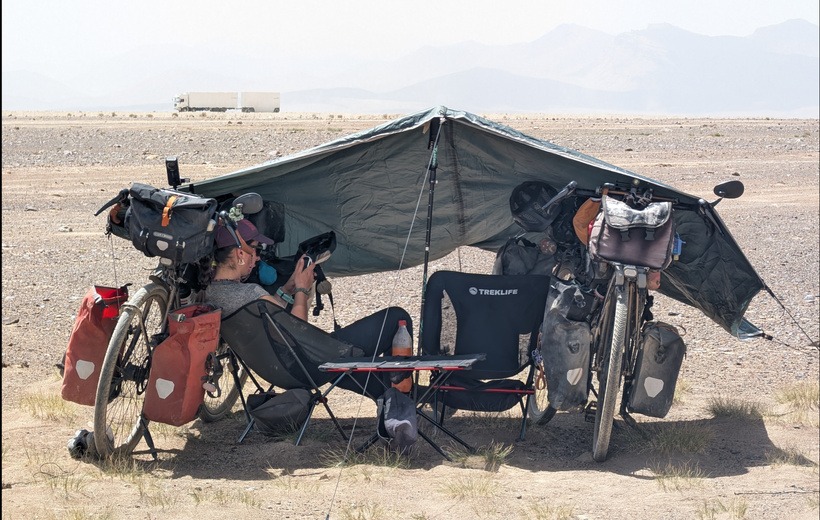

Tarp sun shelter 3x3 Tayikistan
mauge@deaculla.es
Newsletter
Revista Cicloviaje
Join us
deacullá
Políticas de Privacidad
Términos y Condiciones